Are all scientists scientists?

Are all scientists scientists?


“Many kinds of men devote themselves to Science, and not all for the sake of Science herself. There are some who come into her temple because it offers them the opportunity to display their particular talents. To this class of men science is a kind of sport in the practice of which they exult, just as an athlete exults in the exercise of his muscular prowess. There is another class of men who come into the temple to make an offering of their brain pulp in the hope of securing a profitable return. These men are scientists only by the chance of some circumstance which offered itself when making a choice of career. If the attending circumstance had been different they might have become politicians or captains of business. Should an angel of God descend and drive from the Temple of Science all those who belong to the categories I have mentioned, I fear the temple would be nearly emptied. But a few worshipers would still remain—some from former times and some from ours.”

The excerpt was taken from Albert Einstein’s Prologue to “Where Is Science Going?”.

Gemplate asks:

  • If it is so difficult to find true scientists among the multitude of people who have devoted their lives to the study of nature, how can we find the truth in the rest of the people who are not so keen on truly knowing it?
  • How can we tell the real ‘worshipers’ from the false ones so that we can know the truth and not its imitations?
  • Why is it important to know the truth?

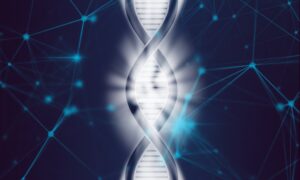
The code of life

The code of life

“On a warm summer day just six months into the new millennium, humankind crossed a bridge into a momentous new era. An announcement beamed around the world, highlighted in virtually all major newspapers, trumpeted that the first draft of the human genome, our own instruction book, had been assembled.

The human genome consists of all the DNA of our species, the hereditary code of life. This newly revealed text was 3 billion letters long, and written in a strange and cryptographic four-letter code. Such is the amazing complexity of the information carried within each cell of the human body, that a live reading of that code at a rate of one letter per second would take thirty-one years, even if reading continued day and night. Printing these letters out in regular font size on normal bond paper and binding them all together would result in a tower the height of the Washington Monument. For the first time on that summer morning this amazing script, carrying within it all of the instructions for building a human being, was available to the world.”

The excerpt was taken from Francis S. Collin’s book “The Language of God”.

Gemplate asks:

  • If man cannot make two things like oil and water, cat and dog, man and woman stick together, how can something non-existing bring into being and keep functioning such a multitude of particles in such a tiny space without allowing any outside intervention by making this intervention so disastrous for the interveners that they give up the idea of intervening altogether?